
Global recycling leaders highlight trade barriers, protectionism as key challenges at IMRC 2026

-
- India seeks duty cuts, lower GST to strengthen recycling
-
- EU export rules, US tariffs reshape global scrap movement
The International Material Recycling Conference & Exposition 2026, organised by the Material Recycling Association of India (MRAI) in Jaipur, brought together leading recycling organisations from India, Europe, the United States, and the Middle East at a time when tightening global supply chains are elevating the strategic importance of secondary raw materials.

Delegates representing MRAI, the Bureau of International Recycling (BIR), the Recycling and Materials Association (REMA), and the Bureau of Middle East Recycling (BMR) shared region-specific perspectives during the session “Policies affecting the Recycling Industry”.
India: building a modern recycling infrastructure:
India’s representatives highlighted the scale of opportunity ahead as the country attempts to build a formal and reliable recycling ecosystem. With demand for metals rising and domestic scrap still falling short, India is pushing for structural reforms to support its long-term industrial ambitions. Speakers noted that India’s overall recycling market could surpass USD 2 trillion by 2050, driven by expanding needs in steelmaking, non-ferrous metals, and end-of-life electric vehicle recovery.
The revised Scrap Recycling Policy and the broader rollout of Extended Producer Responsibility are expected to strengthen formalisation and improve material traceability.
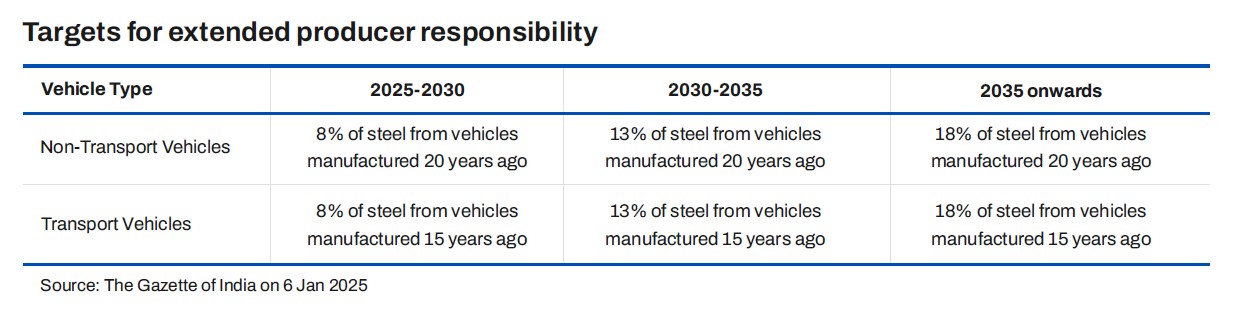
However, high goods and services tax rates and import duties continue to distort the market, prompting strong industry calls for a reduction in taxes and simplification of compliance. The panel stressed that achieving India’s goals in green steel, low-carbon manufacturing, and clean mobility will depend on a predictable flow of quality scrap and a mature domestic recycling network.
Europe: regulation, resource pressure, and the fight to keep trade open
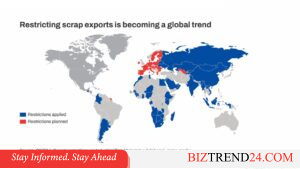
The Bureau of International Recycling (BIR) presented a clear warning about Europe’s increasingly protectionist regulatory environment. The European Union’s Waste Shipment Regulation is tightening controls on outbound scrap, which could limit exports to Asia and redirect material back into Europe. At the same time, secondary raw materials are being reclassified as strategic resources, placing them alongside critical minerals in policy debates.
BIR stressed that it is expanding global data mapping and supply-chain studies to help policymakers understand how restrictive trade measures can disrupt global flows and raise recycling costs. European delegates cautioned that if regions begin isolating their scrap resources, the impacts will reverberate across global markets, undermining efficiency and slowing progress toward decarbonisation.
United States: tariffs, policy cycles, and a strong link with India:
The delegation from the United States acknowledged that the policy environment remains volatile, shaped by overlapping tariff systems and shifting administrative priorities. Despite this unpredictability, recycled material exports continue to play a significant economic role for the United States, and India has emerged as one of the country’s fastest-growing destinations for scrap.
The Recycling and Materials Association (REMA) noted that it is actively lobbying against proposed restrictions on copper, aluminium, and nickel exports, arguing that open access to global markets is essential for American recyclers. While policy cycles may remain turbulent, the United States recycling industry continues to invest, expand capacity, and pursue consolidation through mergers and acquisitions, signalling long-term resilience.
Middle East: rapid policy transformation and ambition to lead:
The Bureau of Middle East Recycling (BMR) outlined the region’s shift from oil-driven economies toward circular, resource-efficient growth. Countries such as Saudi Arabia and the United Arab Emirates are integrating recycling into their national strategies for climate transition and industrial diversification.
The United Arab Emirates’ removal of value-added tax on scrap and the adoption of reverse charge mechanisms were highlighted as major steps that have boosted transparency and pushed more activity into the formal sector. The Middle East is positioning itself not only as a major importer but also as a processing and distribution hub, seeking deeper collaboration with India by combining strong logistics infrastructure with India’s large market and technical expertise.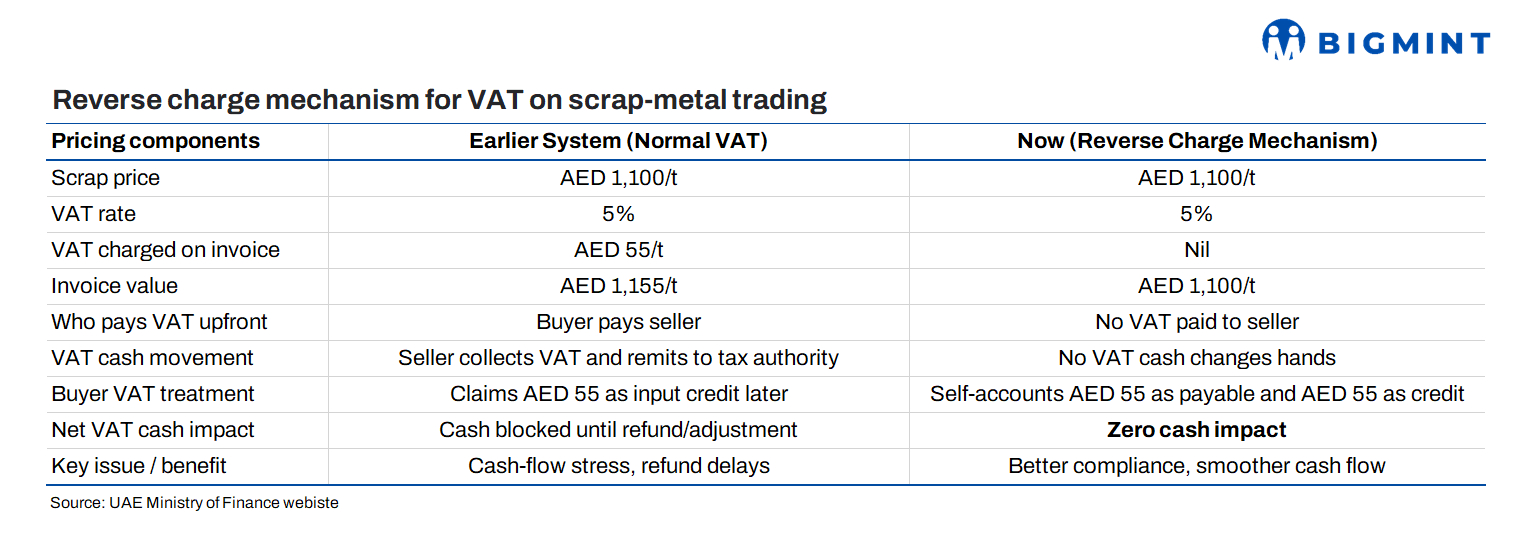
Unified global message: scrap is a strategic resource:
Across all regions, speakers emphasised that rising trade barriers and intensifying resource nationalism could fragment the recycling sector at a time when global industries urgently need more recycled content. The delegates concluded that countries must work together to establish consistent international standards, improve data transparency, and recognise recycled materials as essential industrial feedstock rather than waste.
As the world accelerates toward its decarbonisation and circular-economy targets, the discussions underscored that the future of recycling will be defined as much by geopolitics and regulation as by market forces and technology.